

Saturday, April 1, 2023
Crafting My Unique Approach to Professional Development as a Grad Student
Learning to navigate life as a graduate student can be daunting, but professional development workshops can help ease your transition to graduate studies, support your progress in your program, and help you navigate your future career. As PhD students consider their career paths upon graduation, it is quite important to engage in programs that allow you to explore both academia and industry. For those potentially interested in academic roles, future faculty programs are a great way to learn about the application process, life as a professor, engage with current professors, and network with other graduate students and postdocs who could eventually become your peers. Throughout my time in graduate school I have attended a plethora of workshops that have supported me at every stage in my graduate journey and provided me with the skills to successfully manage relationships with my advisors, craft research projects, and seek out postdoctoral opportunities.
Finding Professional Development Programs
While many universities provide internal workshops and courses to prepare their grad students for academic roles, finding external programs can be difficult for those not familiar with this space. To help ease this process for graduate students in computer science and related engineering fields, I’ve curated a list of over 30 workshops that can be attended across all stages of your PhD program. Many of these workshops are also available for Master’s students and for students in the physical and biological sciences. For students that are unable to attend external workshops due to time, physical, or other constraints I highly suggest connecting with the career offices, postdoctoral studies offices, and faculty development centers at your respective institutions to find programs that you can participate in on campus.
For those interested in careers outside of academia, connecting with offices that specialize in this area (at Cornell, our office is called Careers Beyond Academia) or entrepreneurship centers can be quite valuable. Fortunately, due to the COVID pandemic, many programs are also available virtually. There are national organizations devoted to faculty development such as the National Center for Faculty Development and Diversity (NCFDD) that provide online training modules, guest expert webinars, and two-week writing challenges to support students through their graduate school journeys. Additionally, I find that finding relevant campus listservs and reading newsletters such as the Cornell’s Graduate School weekly newsletter keeps me informed of events across campus and at other universities. Professional development programs also vary in nature and can take the form of short courses or half-semester courses. At Cornell, examples of these courses include GRAD 9110 - Professional Career Foundations which helps students learn best strategies for pursuing a successful job search and ALS 6015 - The Practice of Teaching in Higher Education which engages students in learning theory and how to apply such methodologies in teaching environments.
One great thing is that professional development programs are not limited to students who are already in graduate school. As the first person in my immediate family to pursue PhD studies, I knew that I would need quite a bit of support to help me navigate the graduate school admission process. In addition to workshops hosted at my undergraduate institution and writing assistance I received through my campus career center, I found that attending external conferences and workshops helped strengthen my graduate school applications which ultimately led me to Cornell. The list I shared also includes a number of pre-doctoral programs and links to a much larger list by the McNair Scholars Program, a popular graduate school development program for underrepresented undergraduate students. As with the graduate school professional development programs, nearly all of these programs are fully-funded and cover expenses for accepted applicants.
My Experiences Participating in Professional Development Programs
As a graduate student who has varied interests ranging from academia to industry to entrepreneurship, I found it necessary to try and explore as many career options as possible. As a PhD student, your objectives throughout your program include conducting research, publishing papers, and teaching, which often prepares you for a limited set of careers that happen to align mostly with those in academic settings. While all of these commitments can leave limited time to pursue external opportunities, I found the time that I used to participate in these opportunities valuable not only to my professional development but also to help shape how I approach my research and expand my perception of what I could accomplish as a PhD student.
On-Campus Workshops
As I mentioned earlier, on-campus programs can be much more accessible to students who cannot travel for off-campus opportunities. I have personally benefited from such events and encourage graduate students to pursue similar opportunities at their respective campuses. I am fortunate to attend a large university that has funding to provide many forms of professional development to grad students and postdocs. At Cornell, events such as the Summer Success Symposium help new and continuing graduate students hear from inspiring speakers and connect with fellow students. I also participated in the Future Professors Institute, an event that invites campus administrators and external speakers to lead workshops, give talks, and speak on panels regarding topics that range from advancing inclusive research environments to preparing for tenure. While the two events I mentioned previously were both one-day events, an academic year-long program that I participated in was the NextGen Professors Program which is a career development program aimed towards preparing Cornell graduate students and postdocs to pursue faculty careers at large research universities, undergraduate-focused institutions, or community colleges. The program consisted of monthly meetings and mentoring sessions with faculty members at external institutions and aided participants in preparing their application materials and job interviews.
External Programs
Participating in external programs has enabled me to extend the learnings I’ve gained through my participation in on-campus professional development programs at Cornell. Early in my PhD, I attended the CRA-W Grad Cohort Workshop for Women and CRA URMD Grad Cohort, which were two-day programs that consisted of workshops on topics ranging from finding a research topic to pursuing summer internships, poster sessions, and panel talks. Attending these workshops was essential in helping me build a network of graduate peers and faculty mentors that I have stayed connected with throughout my time in graduate school and who I have seen at many conferences and workshops since then. As I’ve progressed to the later years of my PhD, I’ve begun to focus more closely on programs that provide tailored support in pursuing post-graduate career opportunities.

External Future Faculty Programs
Over the past year, I’ve attended external future faculty programs at Georgia Tech, the University of Wisconsin-Madison, and UC Berkeley. These programs all lasted from 3 to 4 days and involved workshops, panels, and lots of time for networking with professors and fellow graduate students. While you can find tons of information online about applying for faculty positions, I’ve found that in-person workshops help you get unique, nuanced perspectives from scholars who have gone through the process and the opportunity to ask questions to often very busy professors who allocated their time specifically for program participants. The Georgia Tech FOCUS program was very influential in teaching me about different types of faculty at the institution like non-tenure research faculty roles that include research scientists and engineers and other non-tenure track faculty members like Academic Professionals who often jointly hold administration duties like deanships and Professors of the Practice who are internationally reputed academic, business, and government leaders. While I prepared teaching, research, and diversity statements for nearly all of my applications to future faculty programs, attending NextProf NEXUS at UC Berkeley provided me a chance to get personalized feedback and revamp both of my research and teaching statements. The WiscProf program also gave me a unique opportunity to present a practice job talk, an essential part of the interviewing process, to faculty members across two engineering departments. These programs also helped me realize that I would like to take some time conducting research projects in industry before pursuing a tenure-track role to give myself time to refine my research agenda and gain more experience guiding younger scholars in research projects.
Industry Workshops
In between the future faculty programs I attended, I was fortunate to participate in the Diversity Connect workshop at McKinsey, a program geared towards preparing underrepresented PhD, Law, and Medicine students for careers in management consulting. The application process for this experience was quite different from the future faculty programs as the focus was to understand my capacity for analyzing and presenting case studies. After filling out a general form with my academic and professional details, I was instructed to complete a game-based assessment that involved optimizing a hypothetical ecosystem. The structure of the program itself was also quite different and on a much shorter timeline. Participants in the program flew in early on the first day of the workshop, listened to panels, and split up into groups to start addressing a case study. We spent the rest of the day analyzing the problem and preparing for a group presentation which was held the following day. After presenting and receiving feedback from other participant groups, we had the opportunity to network further and concluded the program. While short, I found my time at McKinsey helpful in understanding that being at a big firm doesn’t align with my interests but that I am interested in providing individual consulting services along with pursuing a research career in academia or industry.
Takeaways
My experiences in these programs were all different, but each provided me with valuable information that has enhanced my search for postdoctoral opportunities. While future faculty and industry programs are structured with an intent to attract top-tier candidates, there is no expectation or pressure for you to pursue a role right away but they provide great preparation for when you do apply. Now that I am actively on the job market, the benefits of attending future faculty and industry programs have given me an opportunity to understand my strengths, address my weaknesses, and figure out what career path is right for me. I also got a head start on my application materials, which has saved me a lot of time and made my application process much smoother. Overall, I can thoroughly say that I enjoyed participating in these programs and I hope that fellow graduate students can learn from my experiences. Don’t be afraid to pursue these life-changing opportunities!
This piece was originally commissioned for ProFellow, a free resource for fellowships. You can access the original article "How to Find Professional Development Opportunities for Graduate Students" here.

Saturday, December 11, 2021
Get Ready for Graduate Application Season
Hey everyone, welcome back to my blog! This is my first post of the year and I’m happy to start with a post on grad school. Grad school application season is in full swing and after what I’m sure has been a rough year for many, a lot of people are looking to advance their studies by going to graduate school. Fortunately, many programs are opening back up after admission hiatuses and as vaccination rates increase, campuses are slowly but surely getting back to “normal” but it surely looks different from before the pandemic began.
Check out all my old posts pertaining to my graduate school application process and journey:
For those of you in Computer Science and related fields (Information Science, Electrical & Computer Engineering, Operations Research, etc.) I update GitHub lists with curated links to graduate applicant support programs and graduate fellowships. These lists are loaded with tons of resources to help you apply to graduate school and fellowship programs. Feel free to check them out and share!
In my next post, I’m looking forward to updating you all on how the past year has been for me and things I’m looking forward to as we go into Winter Break. It’s so great to be back!
Thanks for reading! You can catch up on my previous posts here. Feel free to share this post and follow me on all social media platforms @CollegeSista! Have questions about applying to grad school, life as a graduate student, or Cornell in particular? Feel free to contact me on LinkedIn or through email!

Monday, October 5, 2020
It's been an interesting summer...
Now that Fall is officially here (along with this chilly Ithaca weather...the leaves are beautiful though!), I figured that I’d do a brief update on what I’ve been up to since the summer! As with many graduate students, my plans for the summer changed drastically and I had to adapt quickly to the circumstances. While I was looking forward to traveling a bit and pursuing a research study in India, I’m grateful that I have the privilege to conduct my research from almost anywhere in the world and didn’t experience any major setbacks. I’m extremely proud of the work I completed this summer and am looking forward to pushing towards candidacy by mid-2021 (fingers crossed)!
- I’ve become much more consistent in working out! With the help of a couple of fitness apps, I’ve settled into a routine consisting of a run/vigorous walk followed by a ~30 minute HIIT/cross-training workout. I feel so much better, especially after getting some fresh air outside, and am enjoying the bit of body tone I’ve gotten back. Hoping that I can keep this consistency throughout the long Ithaca winter!
- Did a slight rebrand for CollegeSista! The power of Canva is so understated, I feel like a professional designer at times. I really love the collegial look of my logo, which falls more in line with the theme of my blog.
- I spent the majority of my summer working on a research study to learn more about perceptions of artificial intelligence (AI) in India. I also submitted this project to a major conference in one of my fields and am really excited to share this work! I’m so pleased to be at a place in my research where I’m content and truly passionate about what I’m doing.
- I deeply enjoy speaking and honing my presenting skills and being in quarantine has definitely given me a lot of options to do so! I presented at a couple of workshops and conferences and enjoyed sharing my work with others from around the world.
- I completed two certificates in Women’s Entrepreneurship and Venture Deals! I have so many passions outside of academia and being able to pursue them (to a certain extent) has made me more balanced throughout my studies.
Honestly, it’s been hard making time to write for CollegeSista and I really miss it! Writing for this blog is a way for me to express my non-academic thoughts, and it’s therapeutic in a way. Throughout this quarantine period, I’ve been going through a wave of emotions which has resulted in varying peaks and valleys of productivity. I’ve been reading for pleasure less, procrastinating a bit more on my work, and have found myself going to bed at extremely strange times. I believe in the potential of CollegeSista and am going to be more intentional in building that potential. I’m eager to share my insights and hope that you’ll stick around for the journey!
Note: As graduate students, it can be hard managing our time with all the stuff we have to do ranging from conference deadlines to course readings and to research. The 2020 election is coming up soon, so please ensure that you’re registered to vote!
Thanks for reading! You can catch up on my previous posts here. Feel free to share this post and follow me on all social media platforms @CollegeSista! Have questions about applying to grad school, life as a graduate student, or Cornell in particular? You’re welcome to contact me on LinkedIn or through email!
Wednesday, June 10, 2020
#BlackLivesMatter
#BlackLivesMatter each and every day. For so long, Black people in the United States and throughout the rest of the world have been the brunt of policies and systems designed to negatively impact us through financial, political, and social means. This is systemic and change has been due, but has not come fast enough. I’m extremely proud of those stepping up and out by protesting, donating their time and money, and organizing within their respective communities. Slowly, but surely, we will make a change!
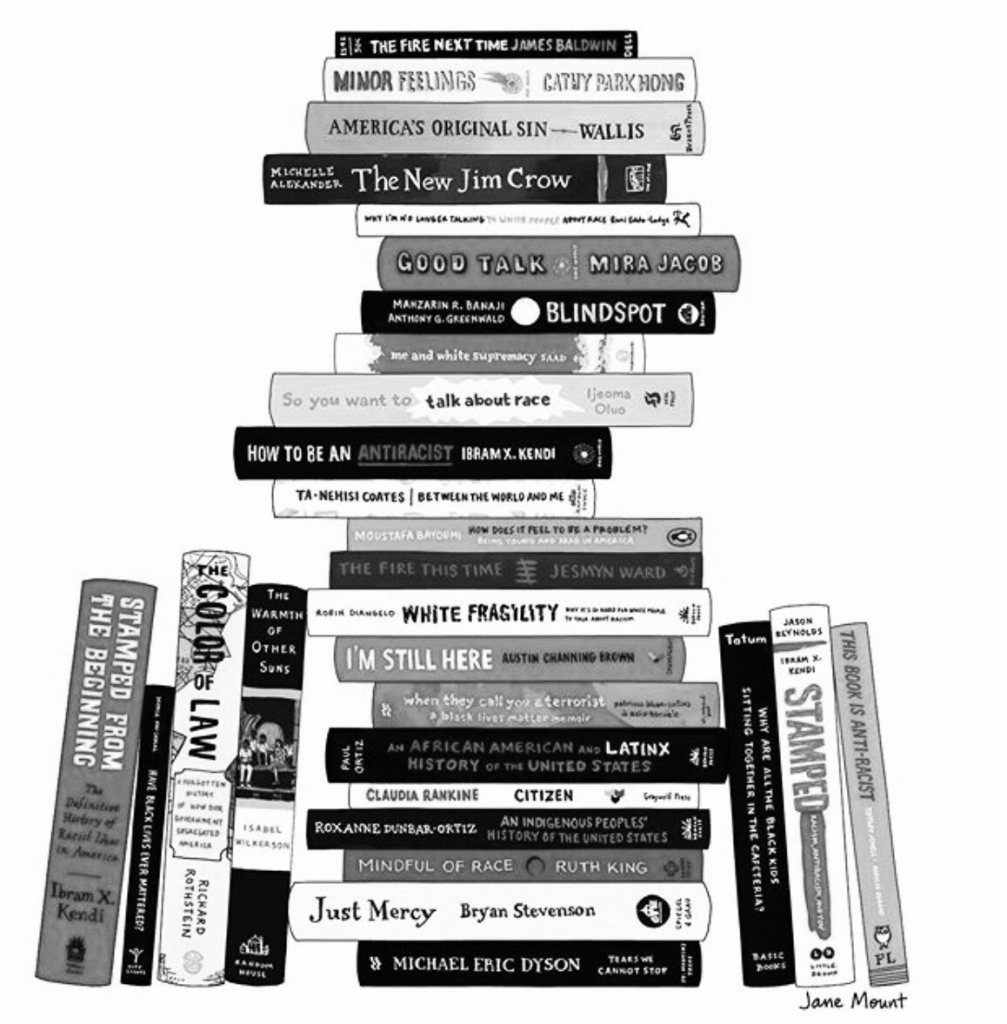
Over the past month, the weight of this movement has weighed heavily on my mind. I’ve been extremely active on social media and within my department working to enact change and speak up about the injustices Black people face throughout our daily lives. For this blog post, I’ve compiled a list of resources both in and out of academia to help you support social movements and educate yourself on the history of structural racism and anti-Blackness in the United States.
Please take the time to go through these resources and visit any of them that may be useful to you!
You can’t play ignorance, justified by feeling uncomfortable, when Black people have been made to feel uncomfortable their entire lives in a white privileged, systematically racist and unfair society that is more than happy to benefit from Black culture, but isn’t so happy in adhering to the ideals of equality and basic human rights.
Jade Thirwall
Cornell Resources
These resources are specific to Cornell, but they may be helpful to all graduate students irrespective of your institution.
- Cornell Graduate School Resources: http://gradschool.cornell.edu/resources
- Cornell Caring Community: https://caringcommunity.cornell.edu/get-help/
- Cornell Health Counseling Services (for students): https://health.cornell.edu/services/counseling-psychiatry
- Cornell Faculty & Staff Assistance Program (for postdocs): https://fsap.cornell.edu/
- Bias Reporting: https://diversity.cornell.edu/our-commitments/bias-reporting-cornell
- Anti-racism Resources from the Office for Faculty Development and Diversity
Academic Efforts and Resources
Resources for those looking to engage and learn more through an academic context. A big thank you to the #ShutdownAcademia movement for compiling a lot of these resources.
- #ShutdownAcademia #ShutdownSTEM
- How does anti-Black racism show up in academia?
- Already done some reading about race and want to learn more?
- Cognitive Reserve and Racial Privilege in STEM
- Resources compiled by Particles for Justice as part of the #Strike4BlackLives
- Anti-racism resources for white people, compiled by Sarah Sophie Flicker & Alyssa Klein
- A US/Canadian Race and Racism Reading List, by Prof. Chanda Prescod-Weinstein
- Shareable Anti-Racism Resource Guide
- BlackLight, a compilation about the Black experience in the US, co-curated by Brian Nord, Lauren Biron, Renée Hložek, & Lucianne Walkowicz. New content is added every year during Black History Month.
- Equal Opportunity Astronomy: Articles & Resources by Astrobetter
- A learning list on race in America, by Lauren M. Chambers
- Justice in June
- Teaching Tolerance
- Racial Equity Tools
Academic/Professional Organizations and Initiatives
- American Association of Black in Energy
- Association of Black Psychologists
- BlackAFinSTEM
- BlackAndSTEM
- Blacks in Technology
- The Institute for African-American Mentoring in Computing Sciences (iAAMCS)
- National Black Justice Coalition
- National Action Council for Minorities in Engineering
- National Council of Negro Women
- National Coalition of Black Women
- National Organization for the Professional Advancement of Black Chemists and Chemical Engineers
- National Science and Technology News
- National Society of Black Engineers
- National Society of Blacks in Computing
- National Society of Black Physicists
- National Association of Black Geoscientists
- Society of Black Academic Surgeons
- VanguardSTEM
Political and Legal Resources
For those interested in writing to legislators and participating in protesting efforts.
- Template for writing to legislators on police brutality
- Identify your state representatives
- Register to vote (or check your registration)
- Document on how to protest safely
Petitions
Petitions are important ways to make your voice heard and lend support to the creation of policies.
- Breonna Taylor Petition
- #WeCantBreathe Petition
- Justice for George Floyd Petition
- Color of Change Petition
- We Are Done Dying Petition
Fundraising Efforts
Funds to support recent victims and protests throughout the country.
- Official GoFundMe for George Floyd
- Black Vision Collective for Black, Trans, and Queer folks in Minnesota
- Minnesota Freedom Fund pays for the bonds for those jailed especially those that are protestors
- Ahmaud Arbery Fund organized by CPAC
- Louisville, Kentucky Bail Fund for protestors of Breonna Taylor
- Missouri Black Protester Relief Fund
- Black Voters Matter Fund
- Free Them All
- Black Lives Matter
- NAACP’s Legal Defense and Educational Fund
Organizations
Learn more about organizations fighting for inequality and support them!
Podcasts
- ‘1619,’ a A Podcast from the New York Times
- About Race
- Code Switch (NPR)
- Intersectionality Matters! hosted by Kimberlé
- Momentum: A Race Forward Podcast
- Pod for the Cause (from the Leadership Conference on Civil & Human Rights)
- Pod Save the People (Crooked Media)
- Seeing White
Thanks for reading! You can catch up on my previous posts here. Feel free to share this post and follow me on all social media platforms @CollegeSista! Have questions about applying to grad school, life as a graduate student, or Cornell in particular? You’re welcome to contact me on LinkedIn or through email!